Exploring the Growth of Eco-Friendly Transportation in Europe
Exploring the Growth of Eco-Friendly Transportation in Europe
Introduction
This article examines the increasing adoption of eco-friendly transport solutions across Europe, highlighting innovative technologies and sustainable practices shaping the future of mobility. Over recent years, the European continent has witnessed a remarkable transition toward greener, cleaner modes of transportation fueled by environmental concerns, policy initiatives, and technological advancements.
Governments, private companies, and citizens have aligned efforts to reduce carbon emissions and improve urban air quality. From electric vehicles and sustainable public transit to cycling infrastructure and renewable fuel sources, this surge captures a pivotal moment in sustainable development aligned with global climate goals.
Frameworks for Sustainable Transport Solutions
Europe's growth in eco-friendly transportation benefits significantly from strong regulatory and funding frameworks. The European Union sets ambitious targets through the European Green Deal, aiming to achieve climate neutrality by 2050. Specific transport policies encourage the adoption of low-emission vehicles and support infrastructure upgrades.
- Emission Standards: Strict CO₂ emission limits for new vehicles push manufacturers toward innovation in electric and hybrid technologies.
- Funding Programs: Schemes such as the Connecting Europe Facility (CEF) finance sustainable transport infrastructure, including electric charging networks and hydrogen stations.
- Urban Mobility Plans: Cities across Europe implement low-emission zones and promote shared mobility to reduce reliance on personal fossil fuel vehicles.
These frameworks encourage synergy between technology developers, urban planners, and citizens to ensure a cohesive move towards sustainability.
Innovations in Eco-Friendly Transport Technologies
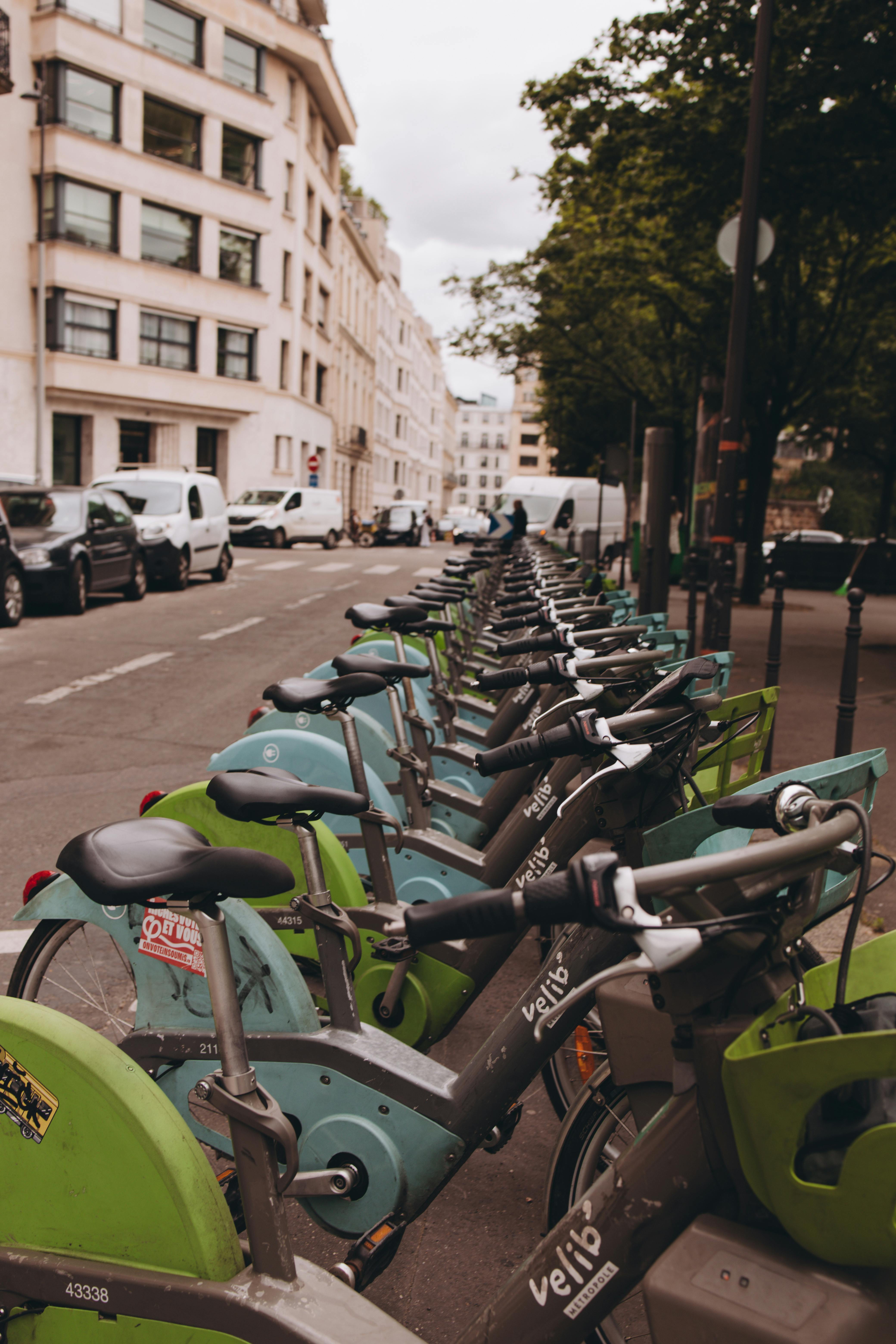
Innovative technologies play a crucial role in Europe’s transition to eco-friendly transportation. Cutting-edge solutions not only aim to reduce environmental impact but also improve user experience and accessibility. Key advancements include:
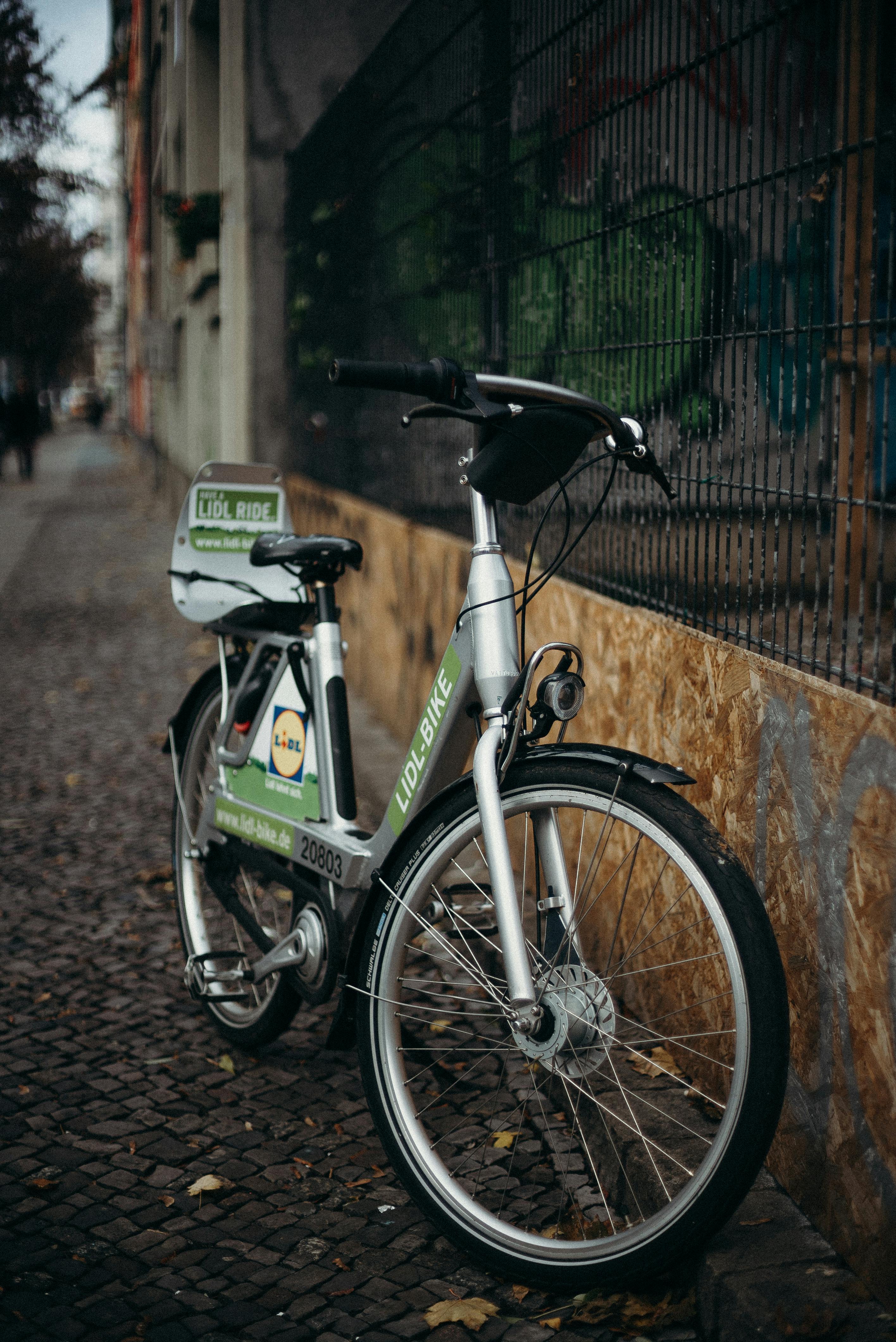
- Electric Mobility: Electric cars, buses, and bikes are becoming more affordable and widespread due to enhanced battery efficiency and expanding charging infrastructure.
- Hydrogen Fuel Cells: As a clean range-extender for vehicles and public transport, hydrogen technology is gaining traction in countries like Germany and the Scandinavian region.
- Smart Mobility Systems: Integration of IoT and artificial intelligence improves traffic flow, offers real-time transit data, and supports multimodal journey planning.
- Renewable Energy Integration: Using solar and wind power to generate electricity for charging stations reduces the dependency on fossil fuels.
- Lightweight Materials: Innovations in materials science help build lighter vehicles that require less energy to operate.
These advancements underpin Europe’s vision for a clean transport ecosystem that lowers emissions while enhancing efficiency.
Adoption Trends Across European Countries
The adoption of eco-friendly transport solutions varies regionally within Europe, influenced by public policy, urban design, and cultural factors. Here are some notable trends:
- Norway: Leading globally in electric vehicle market share, Norway benefits from aggressive incentives like tax exemptions and free tolls for EV owners.
- Germany: Investing heavily in hydrogen infrastructure and electric public transit, Germany is a hub for sustainable transport innovation.
- Netherlands: Renowned for extensive cycling infrastructure, the Netherlands encourages daily bike use for commutes and errands.
- France: Progressive policies such as scrappage schemes for old vehicles and subsidies for EV purchases accelerate green adoption.
- Eastern Europe: Emerging markets in this region are gradually embracing eco-friendly options, with EU funds supporting modernization and electrification.
Collectively, these variations highlight both progress and opportunities for further growth across the continent.
Future Outlook and Sustainable Practices
Looking ahead, the future of eco-friendly transportation in Europe is promising but requires continuous innovation, investment, and cooperation between stakeholders. Some anticipated developments include:
- Expanded Electric Vehicle Infrastructure: More public chargers and faster charging technologies will ease adoption barriers.
- Integration of Autonomous Vehicles: Self-driving EVs may increase efficiency and reduce emissions in urban environments.
- Promotion of Circular Economy: Emphasizing vehicle recyclability and sustainable sourcing of raw materials.
- Behavioral Change Initiatives: Public campaigns and incentives to shift travel modes toward walking, biking, and public transit.
- Cross-border Collaboration: Harmonized policies and infrastructure boost seamless sustainable mobility across European countries.
By embracing these elements, Europe aims to set a global example in balancing development with ecological preservation.
Conclusion
This article examines the increasing adoption of eco-friendly transport solutions across Europe, highlighting innovative technologies and sustainable practices that are reshaping the mobility landscape. With robust policy frameworks, groundbreaking innovations, and diverse adoption scenarios, Europe is charting a confident path toward a greener, more sustainable future.
As countries continue to invest in clean transportation and encourage eco-conscious behavior, the environmental and social benefits will multiply—contributing to healthier cities, reduced greenhouse gases, and enhanced quality of life for generations to come.


Comments
Post a Comment